


A quick reminder before we get to our regularly scheduled programming: Last week, I told you about the National Defence Research Roundtable HESA is hosting on December 15 in Ottawa. Some of you missed the expression of interest window, so we’re reopening the form until 12pm on Thursday. You can expect to hear from us about registration later this week.
I just spent the last week visiting China. It’s been a trip in more ways than one.
My first couple of days were spent in Hong Kong, which has recently become the first city in the world to host five universities in the Times Higher top one hundred, with the University of Hong Kong (HKU) leading the way at number 11. Demand for Hong Kong higher education is so high that the government has decided to build an entire new town for international students (imagine! a government that both welcomes international students and builds housing). And wandering around the grounds at HKU, you can see why – it’s a very nice campus built half-way up a mountain, in a vibrant city which still feels young (unlike much of Europe) and which, for the moment, is still outside the Great Firewall. After the crumbling of the 2019 protest movement in the face of Chinese military/political repression, few would have guessed that such an academic blooming would have been possible. And yet.
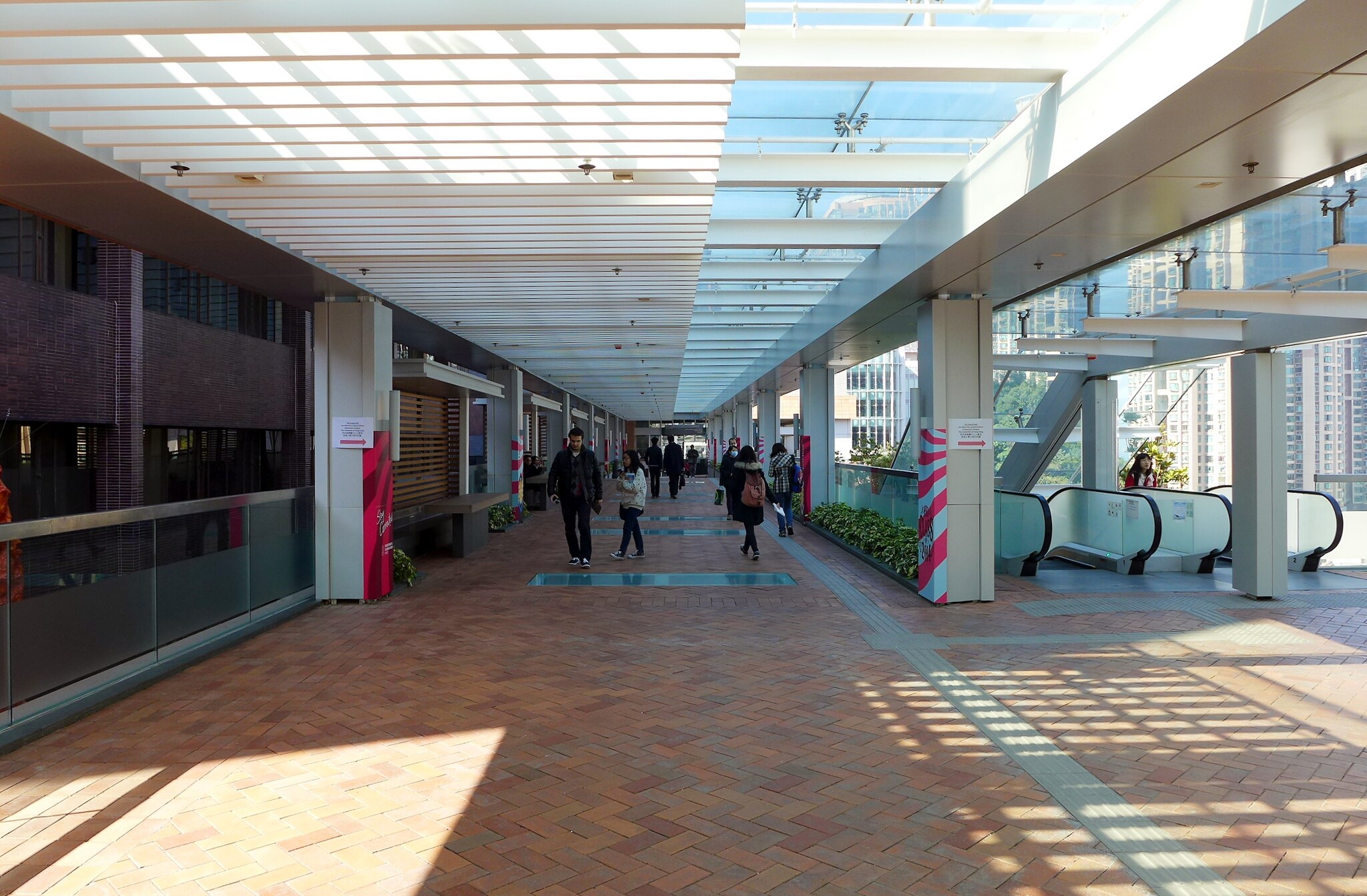
University Street, University of Hong Kong, Hong Kong, China
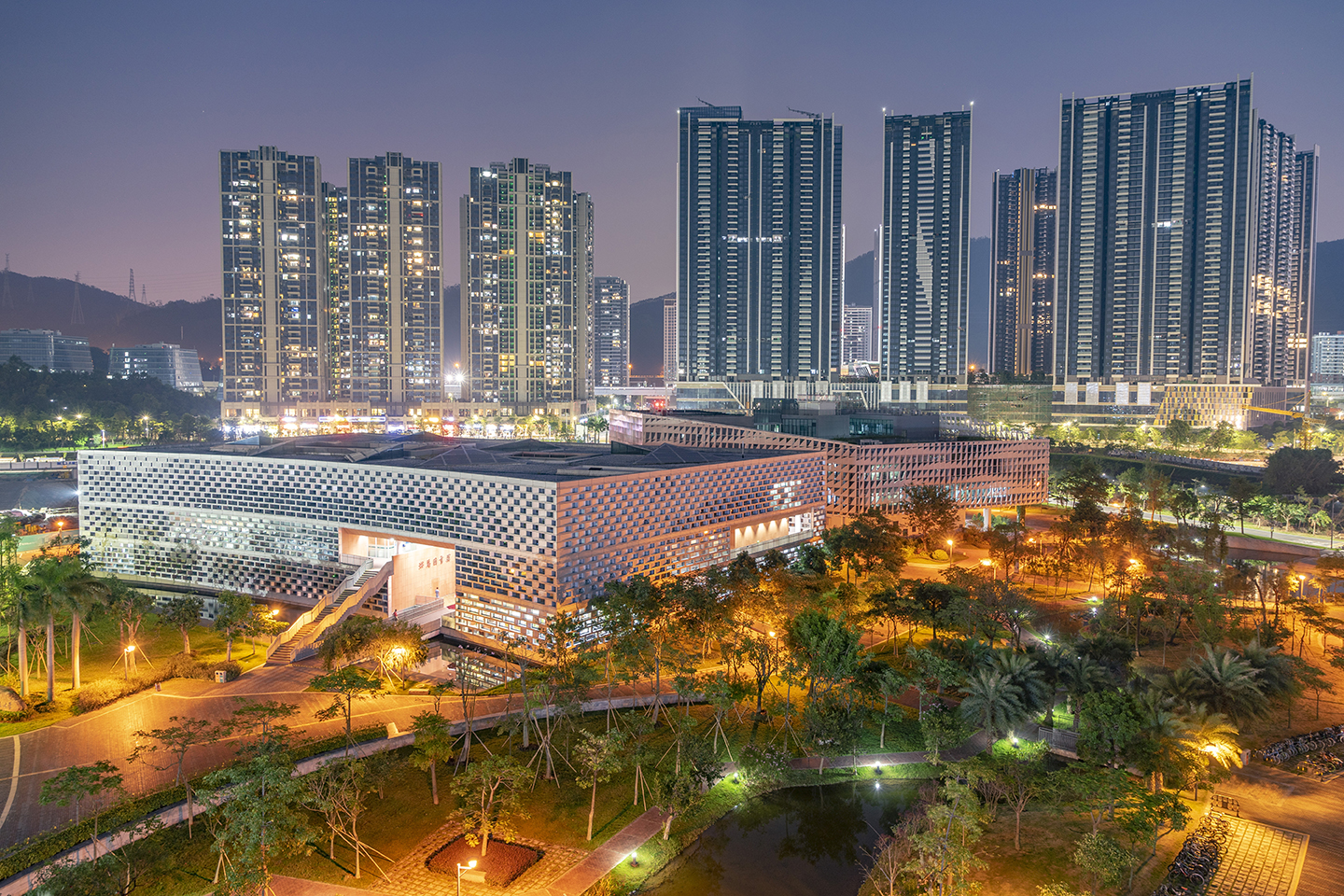
Southern University of Science and Technology, Shenzhen, China
My next stop was Shenzhen and the Southern University of Science and Technology (SUSTech), a new-ish university which despite being only a little more than a decade old is rated by the Shanghai Rankings in the 100-150 category – basically at the same level as the University of Alberta or the University of Montreal. It’s an absolute marvel, born of boatloads of money being thrown at the university in its mission to develop a more creative style of research-intensive education: the problem is that some of that start-up money flow is disappearing off – presumably to fund other new research universities like Great Bay University across the road in Dongguan, or Fuyao University of Science and Technology in Fujian Province, though that one is also the beneficiary of significant billionaire philanthropy – and they’re going from being stupidly well-funded to just well-funded. Some professors have seen salary cuts and are not amused.
Shenzhen is amazing not just for its universities, though – it’s a city of 20 million people, although it’s actually more of a constellation of “districts” rather than a single urban hub, which didn’t really exist 50 years ago. In its glitzy modernity, it makes Shanghai look dumpy. Think Dubai, but five times the size, with reasonably well-done parks and green space and about five times the size and an economy built on tech (ByteDance, the parent company of TikTok, is located here). It did it by being relentlessly welcoming to outsiders – rules around hukou have always been looser here than other Chinese cities, and, of course, the city never lets a chance to build more housing go to waste.
The place that tends to blow outsiders’ minds the most here is the “Talent Park”, which is a lovely green zone with a lake near the centre of Nanshan district. It’s the kind of name that could be the product of cynical regime propaganda or mindless naïve optimism about the power of hard work, and it’s genuinely hard to tell which. It celebrates, via a series of plaques wrapped around funky lampposts, the most brilliant scholars, scientists and Engineers (roughly two-thirds Chinese and one-third foreigners) who have graced the city with their presence since its founding. Basically, it’s a temple to worship eggheads, and it’s the kind of place that is likely to make you lose your mind if you’re inclined to see China as a rival or adversary. Chinese culture celebrates hard work and academic ability and puts its most successful smart people on a pedestal. It values academic and scientific achievement in a way that is unthinkable in the West and encourages its young people to strive for even greater heights. How, in the long run, do you compete with a country that just values knowledge and science so much more than we do?
And look, there’s loads wrong with Chinese education, but the one thing you can never accuse the country of being is complacent. The fact that, as noted above, the country is continuing to build greenfield research universities is beyond amazing: literally no one else in the world is doing this. And there is a deliberate process of learning going on. In the last decade, the government created universities like SUSTech and Westlake to see if it was possible to build more entrepreneurial universities based on notions of letting students be more creative and to helping them “fail positively”. Lessons from those universities are being applied in the new research universities in order to build even better institutions, ones which also give students more flexibility to determine the content of their own degrees.
(If you’re minded to be western-triumphalist about things, you might say China is recreating the best bits of the American university system. You wouldn’t be entirely wrong, but you’d be a long way from right, too.)
There is also substantial experimentation going on at the program level. Entire new fields of academic programming, such as those serving the “low-altitude economy” (see here for a longer explainer of that term); in all, this year 29 new undergraduate majors were approved this year for implementation nationwide and a three-year plan was rolled out to “optimize” university programming for the labour market which, predictably, means more focus on STEM (to my surprise, I recently discovered that over the past fifteen years or so, enrolments in non-STEM areas have grown much more quickly than STEM ones, rising from 31% of all enrolments in 1997 to 52% of a much larger student body in 2021).
It is debatable whether this tactic will work: a report from Peking university suggests that 60% of recent Engineering graduates had to find employment in fields unrelated to their studies, but again that’s not the point – they are trying new things. Additionally, the government has created a new “fast-track” system of academic program development, which gives universities new powers to fast-track the development of new programs in areas of high-labor market demand.
Tying all of this together is China’s new “Education Powerhouse” Plan, designed to make China the leading education nation by 2035. Most of this plan is focused on making China self-reliant in Science & Technology and there is a lot of emphasis on the alignment of new study programs with emerging areas of technology, but there is also a fair bit of wording around strengthening interdisciplinary studies, improving the “individual cultivation of talent”, and defining scientific standards for “world-class curricula” (in general the bits about institutional management and self-improvement are, I think, the most interesting parts of this plan).
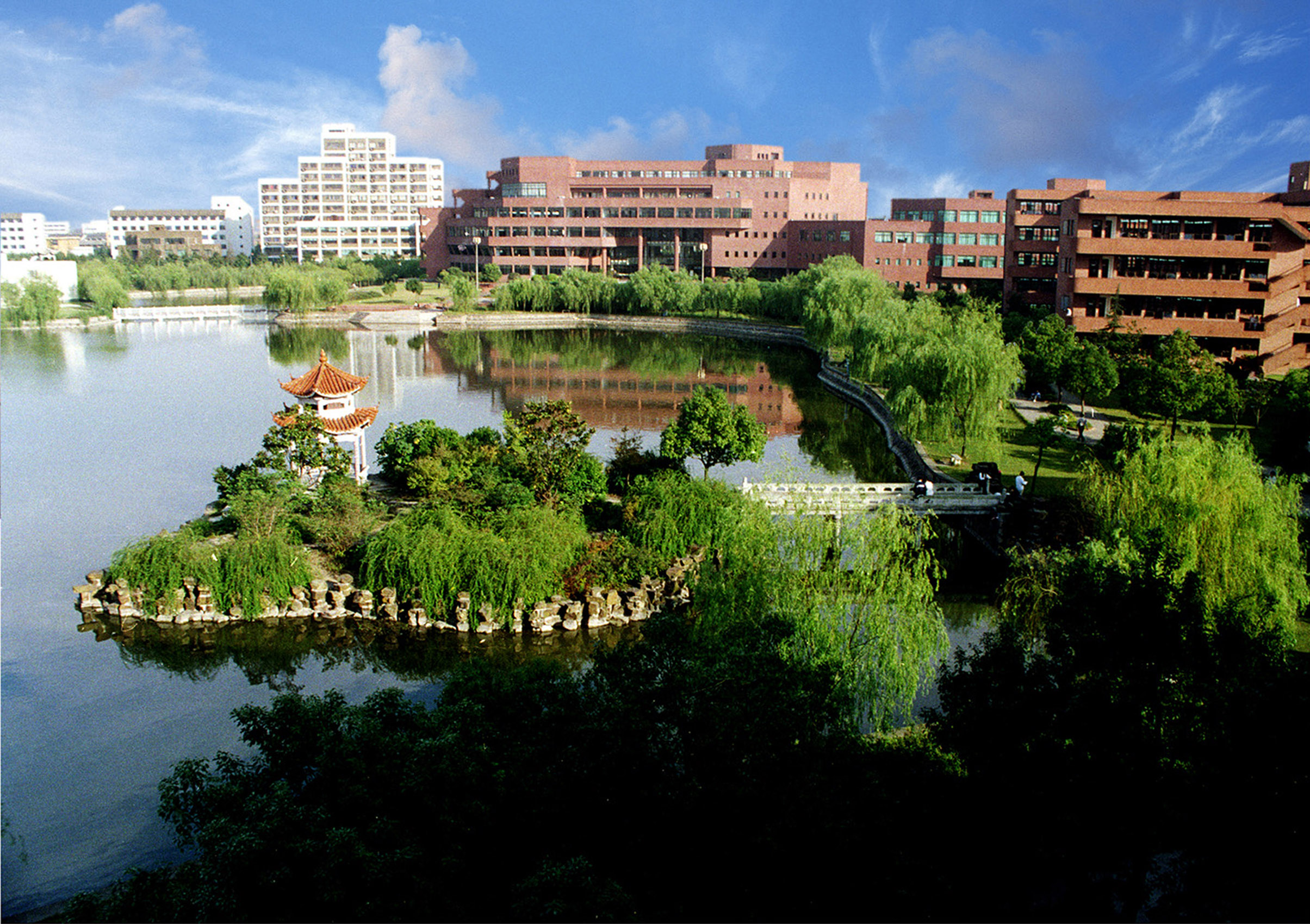
Shanghai Jiao Tong University, Minhang Campus, Minhang District, China
Anyways, my last couple of days were spent at Shanghai Jiao Tong University’s Minhang campus, which, again, is a marvel – an entire city housing more than 50,000 students and a world class university inside a 2.5 x 1.25 km boundary. Big Chinese campuses are sites of control, obviously – there’s a significant security presence and comings and goings are closely monitored (as a foreigner, you deffo need to show your passport to get in) – but they are also beautiful, bustling and energetic in a way few western universities can match. Just walking around these places is a complete blast.
The reason for my visit was the resumption of the World Class Universities series of conferences, which pre-pandemic I used to attend faithfully every two years. What got my attention this time is that the man who began the whole global rankings craze – my friend and former Dean of Education Liu Niancai – teamed up with Simon Marginson to dream up a whole conference on how world-class universities are driving what they call “The Global Common Good”. Simon has many pieces on this, the most recent of which is here (and look for a podcast with him early next year) and Nian has been looking at things from the perspective of metrics. It was the very early stages of a discussion which might just re-frame the way people talk about higher education, and it was a great pleasure just to be a part of the discussion.